In Canada, embracing energy-efficient lighting is essential for both environmental stewardship and economic savings. This comprehensive guide explores how Canadians can optimize their lighting systems to reduce energy consumption and lower energy bills without sacrificing light quality. By understanding the benefits of LED lights and implementing smart lighting controls, residents and businesses can achieve significant energy savings and contribute to a more sustainable future.
Understanding Energy-Efficient Lighting
The Benefits of LED Light
LED lights, or light emitting diodes, have revolutionized the lighting industry because of their efficient and long-lasting performance. Switching to LED lighting offers important benefits for homes, businesses, and commercial spaces.
| Benefit | Description |
|---|---|
| Significant Energy Savings | LED light sources use less energy than traditional light sources. |
| Longer Lifespan | LED fixtures have a longer lifespan, reducing replacement frequency. |
| No Mercury | LED light sources do not contain mercury. |
These factors decrease the frequency of replacements and contribute to overall cost savings. Diana Lighting shares informative content on the advantages of LED lighting, highlighting its commitment to providing efficient lighting solutions.
Comparing Traditional Lighting vs. LED Fixtures
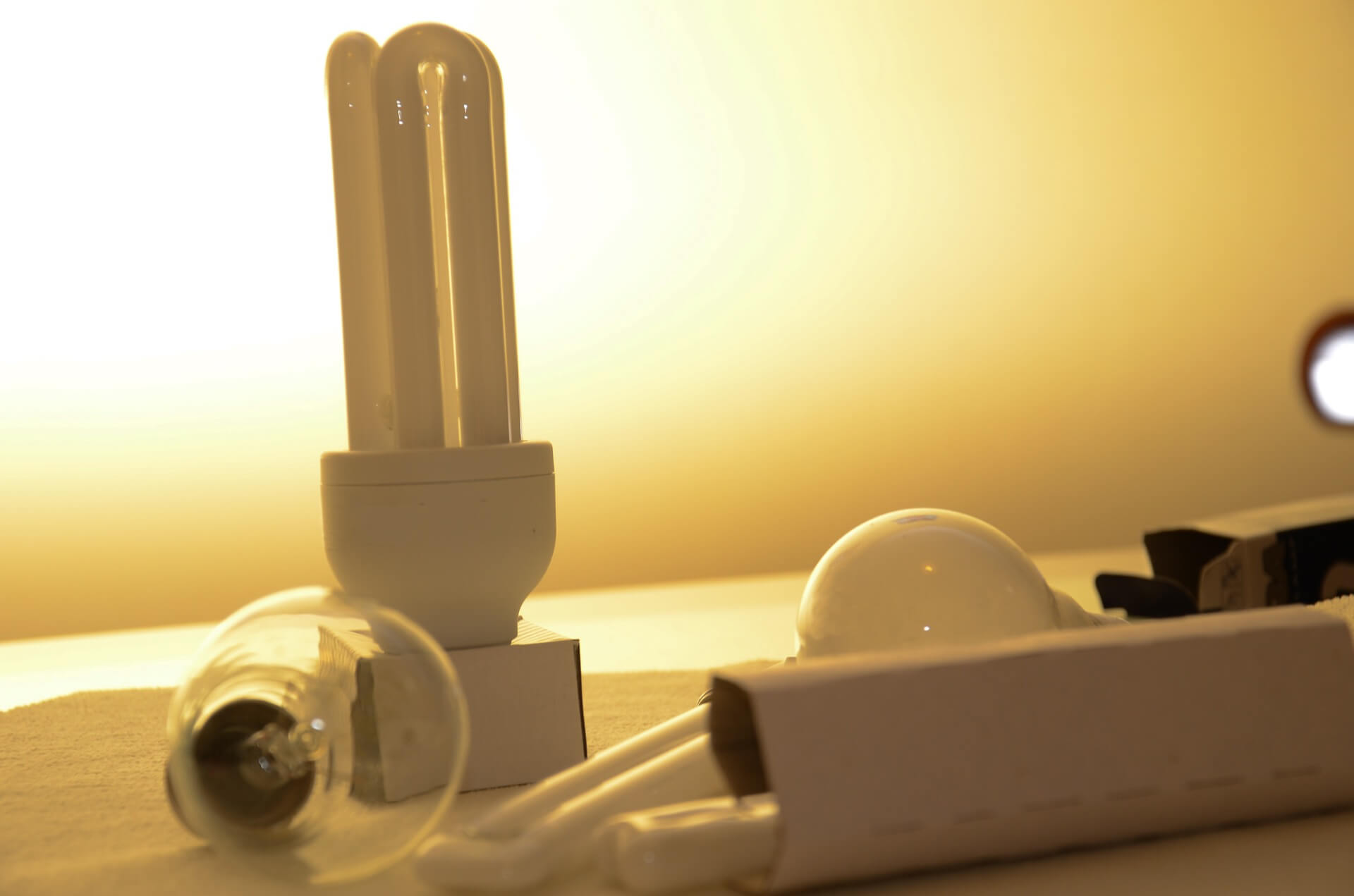
Traditional lighting options like incandescent bulbs, halogen, CFL, fluorescent, and other types of light sources consume a substantial amount of energy, with much of it being wasted as heat. In contrast, LED fixtures are designed to convert a higher percentage of energy into light, making them far more energy efficient. Comparing the amount of energy used by different types of lighting clearly demonstrates the superior efficiency of LED lights. Choosing energy-efficient lighting options not only reduces energy consumption but also decreases the environmental impact associated with energy production.
Energy Savings and Environmental Impact
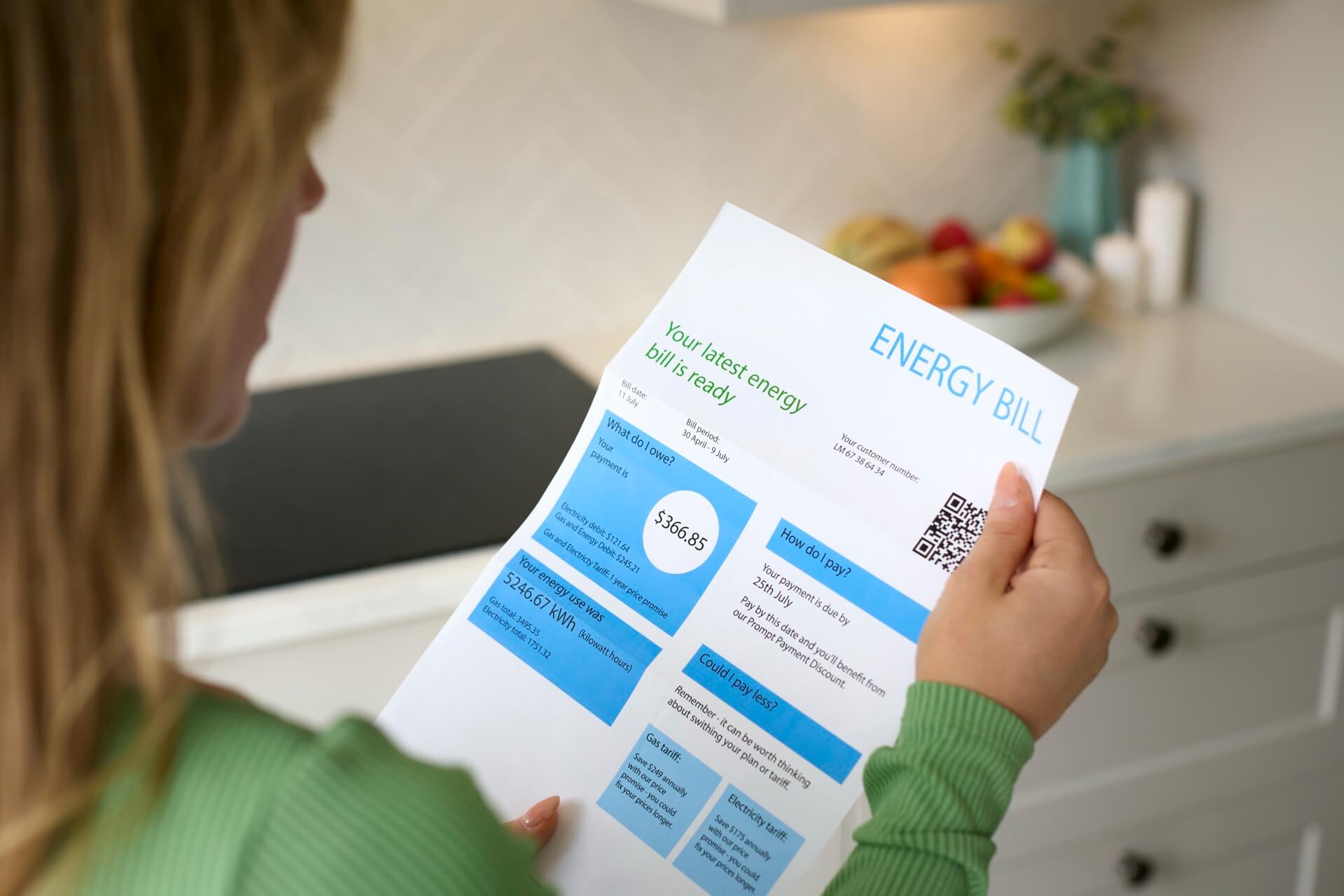
The adoption of energy-efficient lighting, especially LED lighting products, has a profound impact on energy savings and environmental conservation. By reducing energy consumption, Canadians can lower their carbon footprint and contribute to the preservation of natural resources. LED light sources and energy-efficient lighting controls help minimize the strain on energy grids, promoting sustainability. Implementing energy-saving measures in home lighting and commercial spaces is a crucial step toward a greener and more sustainable Canada.
Lighting Options for Every Room
Choosing the Right Bulb for Home Lighting
Selecting the right bulb for home lighting involves considering several factors to ensure optimal energy efficiency and desired light quality. Incandescent bulbs, while traditional, consume more energy and have a shorter lifespan compared to modern LED light options. Switching to LED light bulbs can significantly reduce energy consumption and lower energy bills. For instance, using ENERGY STAR certified LED bulbs in frequently used areas can lead to substantial energy savings. Consider the brightness, color temperature, and fixture compatibility to find the most efficient lighting solution for each room, which will enhance the comfort and functionality of your space.
Smart Lighting Solutions for Energy Efficiency
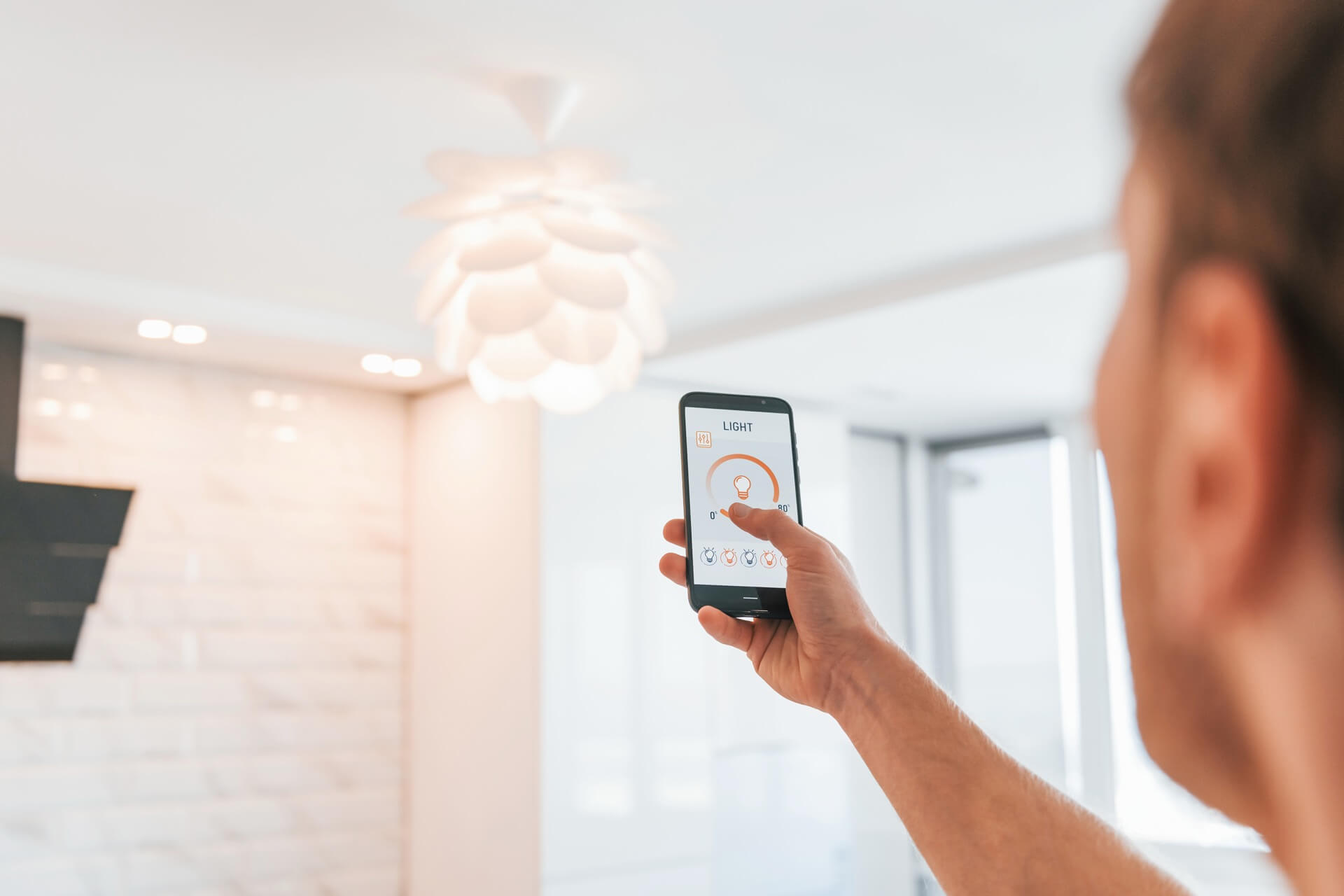
Smart lighting solutions offer a significant boost in energy efficiency, enabling homeowners and businesses in Canada to easily optimize their lighting. Key features include automated dimming, motion sensors, and programmable timers. These features ensure lights are used only when necessary, reducing energy consumption. Smart lighting controls integrate seamlessly with other smart home devices, offering centralized management of energy-consuming appliances, leading to reduced energy bills and enhanced lighting convenience.
Outdoor Lights: Enhancing Efficiency and Safety
Outdoor lighting is crucial for both safety and aesthetics, but it can also be a significant source of energy consumption if not managed efficiently. Choosing energy-efficient lighting options, such as LED light fixtures, is essential for minimizing energy usage while maintaining adequate illumination. LED bulbs use less energy than traditional lighting products and have a longer lifespan, reducing the frequency of replacements. Motion sensor lights paired with step dimming are another great option, as they only activate when movement is detected, conserving energy and providing an added layer of security. With the right lighting solution, you can create a safe and inviting outdoor environment.
Implementing Energy-Saving Lighting Systems
How to Replace Incandescent Bulbs with LEDs
Switching to LED lights from incandescent bulbs is a simple yet effective way to enhance energy efficiency in Canadian homes and businesses. Incandescent bulbs consume a significant amount of energy, whereas LED light bulbs use less energy to produce the same amount of light. Replacing old incandescent bulbs with energy-efficient lighting like LED fixtures can drastically reduce energy consumption and lower energy bills. This transition not only promotes energy savings but also supports environmental sustainability by reducing the demand on natural resources.
Integrating Smart Controls and Dimmers
Smart lighting controls and dimmers offer advanced capabilities to further reduce energy consumption. These devices allow users to adjust lighting levels based on need, ensuring that lighting energy is used efficiently. Integrating smart lighting systems enables features such as automated scheduling and motion sensors, optimizing energy savings. Touchless dimmable LED lighting is especially useful in areas like under-cabinet and closet lighting, providing both convenience and energy efficiency. Using dimmers with LED lights can significantly extend bulb life, offering additional cost savings.
Maximizing Savings with ENERGY STAR Products
Choosing ENERGY STAR certified lighting products is a straightforward method to maximize energy savings and improve energy efficiency. ENERGY STAR products undergo rigorous testing to ensure they meet strict efficiency standards. These lighting products use less energy and have a longer lifespan compared to standard lighting options, resulting in substantial energy savings over time. By opting for ENERGY STAR certified LED light bulbs and lighting fixtures, Canadians can reduce energy bills and support environmentally responsible lighting solutions. These products are readily available and can significantly contribute to overall energy conservation efforts.
Long-Term Efficiency Without Sacrificing Comfort
Maintaining Light Quality with LED Technology
LED technology can provide excellent light quality while maintaining superior energy efficiency. LED light bulbs are available in a range of color temperatures and brightness levels, allowing users to customize their lighting environment to their preferences. Unlike older lighting technologies, LED fixtures produce light without flickering and offer consistent performance throughout their lifespan. This ensures that adopting LED lights does not mean sacrificing the comfort and ambiance of your home or workspace, but rather enhancing it with efficient lighting.
Room-by-Room Decisions for Maximum Savings
To achieve maximum energy savings, it is crucial to consider lighting options on a room-by-room basis. In high-traffic areas, using LED light bulbs with motion sensors or smart lighting controls can significantly reduce energy consumption. For ambient lighting, dimmable LED fixtures allow users to adjust brightness and conserve energy when full illumination is not necessary. IES Canada, Natural Resources Canada, and ENERGY STAR provide guidelines and resources to help Canadians make informed decisions. Analyzing the lighting needs of each room helps optimize energy savings and maintain optimal light quality in every space.
Practical Tips for Canadians Adopting LED Solutions
Canadians can make a smooth transition to LED lighting by starting with the lights that are used most often. Replace frequently used incandescent bulbs with LED light options, use smart lighting systems to automate schedules and reduce energy usage when spaces are unoccupied, and take advantage of available rebates and incentives for energy-efficient lighting products where available. Always dispose of old bulbs responsibly, following local guidelines for recycling. By implementing these simple strategies, Canadians can save energy, reduce energy bills, and contribute to a more sustainable environment through efficient lighting.
Energy Efficiency FAQs
Are energy-efficient bulbs as bright as traditional bulbs?
Yes. Energy-efficient bulbs such as LED lamps can produce the same or greater brightness as traditional incandescent light bulbs while using significantly less wattage. Brightness is measured in lumens, not watts. An LED uses less energy but can deliver equal or higher light output.
What is energy-efficient lighting?
Energy-efficient lighting refers to lighting technology that provides the same or better brightness using less electricity. LED lighting is the most common example because light-emitting diodes convert more energy into visible light instead of heat.
How does lighting become energy-efficient?
Lighting becomes energy-efficient by using advanced technology such as LEDs, improved electrical design, and better thermal management. Efficient lighting reduces wasted heat and maximizes light output per watt of electricity consumed.
How much can I save by switching to energy-efficient lighting?
Switching to LED lighting in Canada can reduce lighting electricity use by 50% to 80% compared to incandescent or halogen bulbs. Savings depend on daily usage, electricity rates, and the number of fixtures replaced.
How much electricity can I save with LED lighting?
LED lighting typically uses 75% less electricity than incandescent light bulbs and significantly less than halogen or compact fluorescent lamps. The more hours your lights operate, the greater the energy savings.
Do I need special fixtures to use energy-efficient bulbs?
In most cases, LED bulbs fit standard fixtures and sockets. However, enclosed fixtures, dimmers, and certain commercial luminaires may require compatible LED products to ensure proper performance and longevity.
Can renters upgrade their lighting?
Yes. Renters can switch to energy-efficient LED bulbs in existing fixtures without permanent changes. Replacing a standard light bulb with an LED lamp is usually simple and reversible.
What are the main types of energy-efficient light bulbs available?
The main types include LED lamps, compact fluorescent lamps, and high-efficiency halogen bulbs. LEDs are the most energy-efficient and longest-lasting option available today.
What are the benefits of energy-efficient lighting in Canada?
Energy-efficient lighting reduces electricity consumption, lowers energy bills, decreases carbon footprint, and reduces environmental impact. In Canada, where lighting is used extensively during long winter months, the savings can be significant.
Why is energy-efficient lighting important?
Energy-efficient lighting reduces energy consumption, lowers operating costs, decreases greenhouse gas emissions, and supports sustainable development. It helps both homeowners and businesses reduce environmental impact while maintaining light quality.
What is the best way to choose energy-efficient lighting for my home?
Choose LED lighting based on lumens for brightness, colour temperature for comfort, fixture compatibility, and ENERGY STAR certification. Focus on high-use areas such as kitchens, living rooms, and ceilings for maximum savings.
Have questions about LED lighting?
Diana Lighting designs and manufactures high-quality custom LED lighting products for residential, commercial, and architectural applications.
Contact Us Today