Diana Lighting and Controls is a Canadian LED lighting manufacturer that works with architects at the specification stage. We read drawings, understand construction constraints, and manufacture custom LED lighting fixtures to the exact dimensional and performance requirements of the project. If you are specifying architectural lighting for a project where precision matters, we are the manufacturer you want in your corner.
Working with Architects at the Specification Stage
Understanding Architectural Lighting Needs
Architectural lighting is a building system, not a finish selection. It affects structural decisions, ceiling configurations, millwork dimensions, electrical layouts, and controls integration. Diana Lighting approaches every project with that understanding. We work with architects to define lumen requirements, colour temperature, mounting profiles, and dimming compatibility before a single fixture is specified or ordered.
Engagement Early in Design Development
The cost of getting lighting wrong increases at every stage of a project. A dimension that does not fit the ceiling recess identified during design development costs nothing to fix. The same problem identified during installation costs significantly more. Diana Lighting engages at the drawing stage, reviews architectural conditions, identifies integration challenges early, and provides technical input before design decisions are locked. This protects the project and the architect.
Technical Support for Design Challenges
Custom architectural lighting involves technical decisions that most suppliers cannot support. Dimmer compatibility, driver selection, lumen calculations, thermal management in enclosed ceiling cavities, and coordination with millwork fabricators all require direct manufacturer involvement. Diana Lighting provides that support throughout the specification and construction process. You deal with the people who design and manufacture the fixture, not a distributor reading from a product sheet.
Types of Architectural Projects and Applications
Commercial Spaces
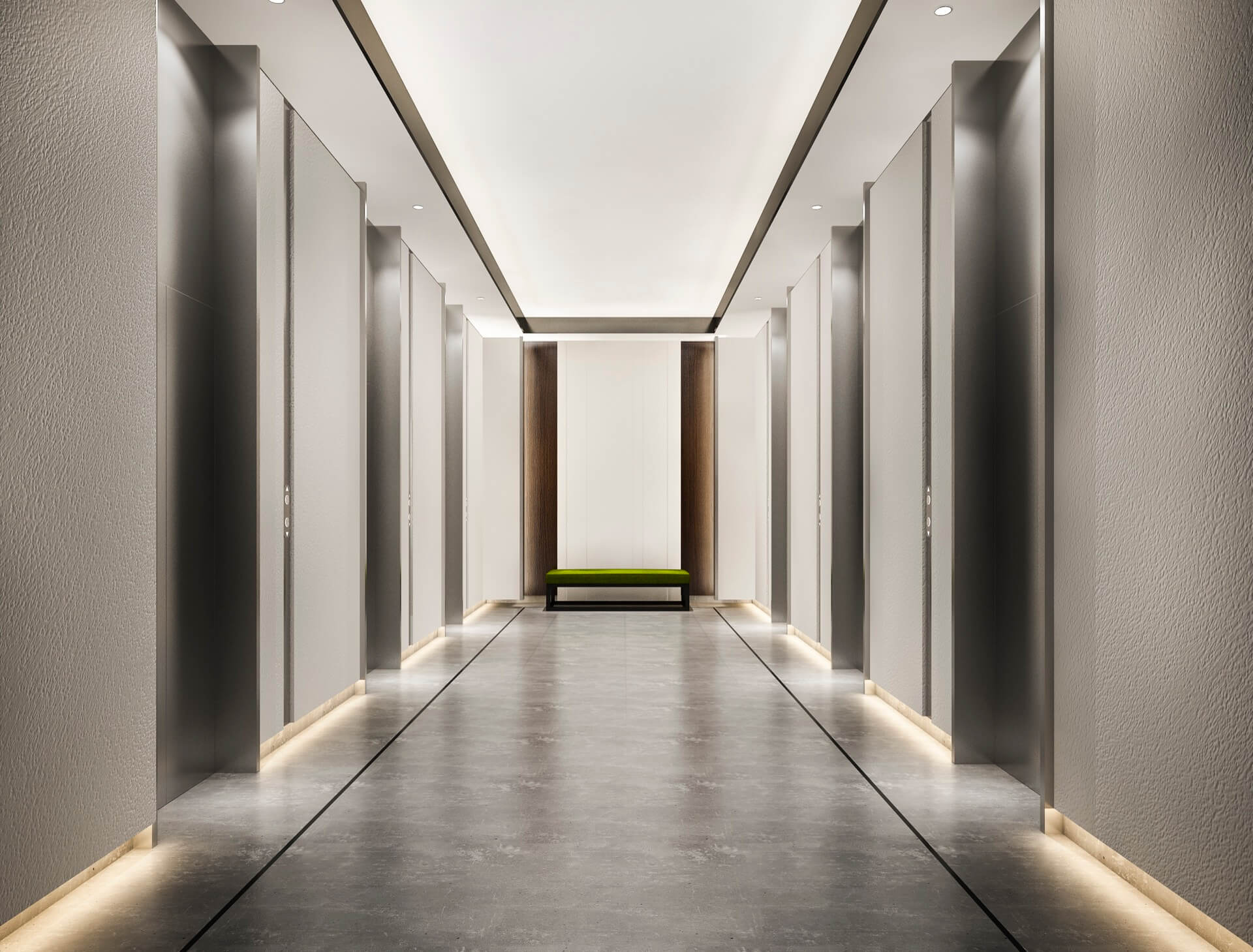
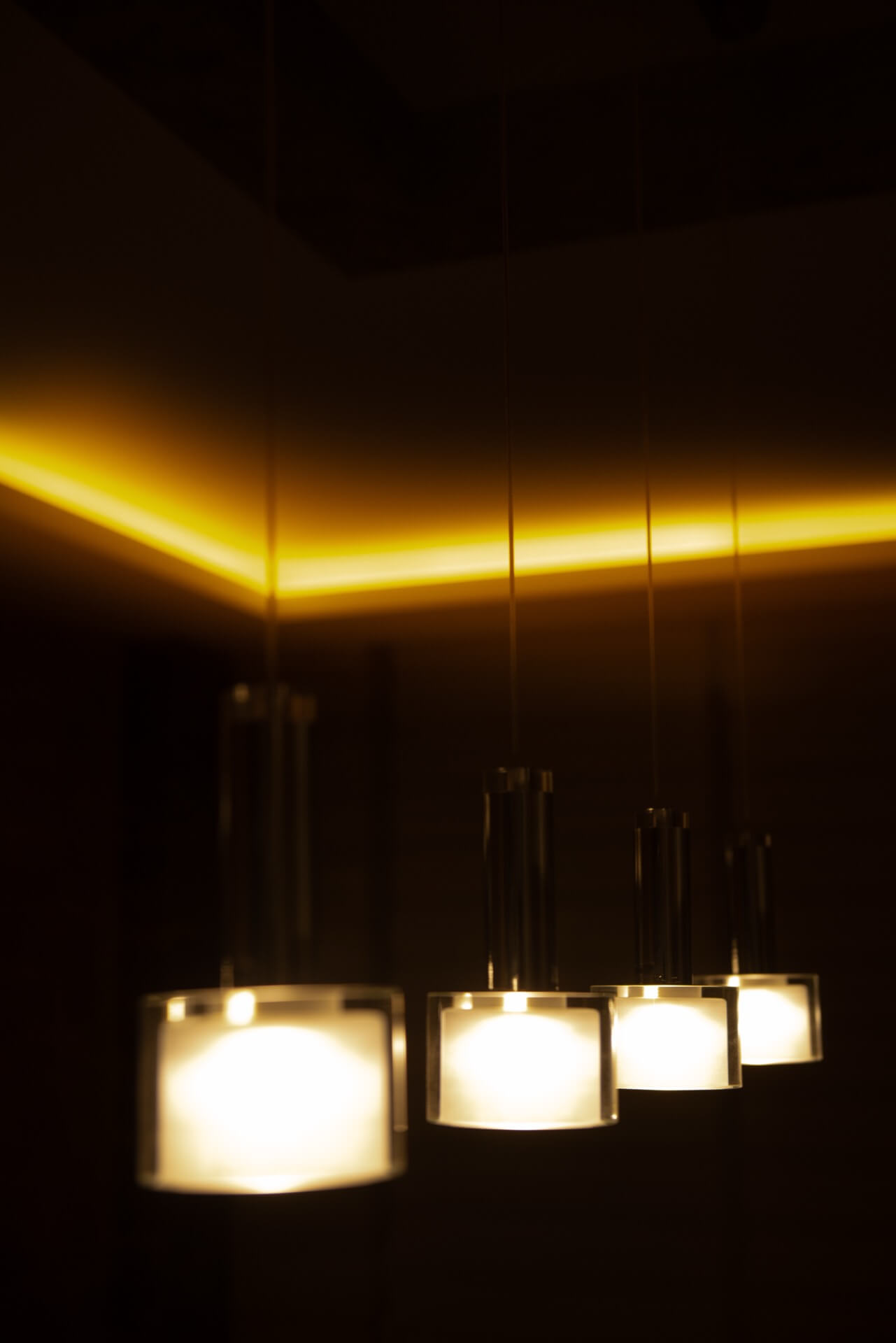
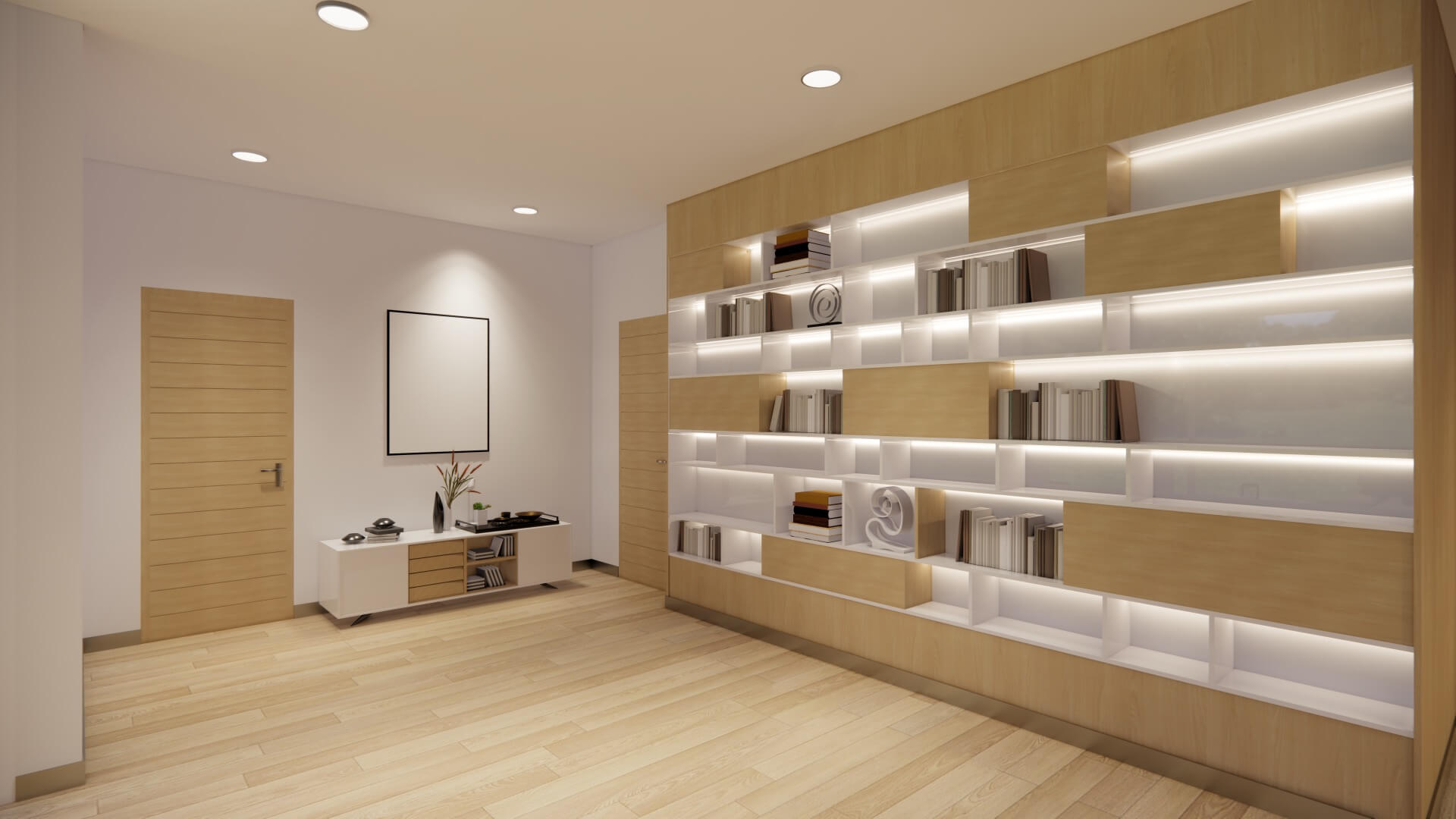
Commercial architectural lighting has to perform across long operating hours, shifting occupancy patterns, and demanding energy efficiency targets. Diana Lighting manufactures custom linear LED systems for offices, retail environments, hospitality interiors, and mixed-use commercial spaces. Every fixture is specified for the architectural conditions of the space, including ceiling height, glare control requirements, colour temperature consistency across large floor plans, and integration with building automation and dimming controls.
Healthcare Facility Lighting
Healthcare facilities, clinics, and other specialized environments often have unique lighting requirements related to visual comfort, glare control, colour rendering, reliability, and long operating hours. Diana Lighting works with architects to develop custom LED lighting solutions that meet the functional and architectural requirements of the space, ensuring the lighting system integrates seamlessly with the overall design intent.
By engaging early in the specification process, we help architects evaluate fixture dimensions, colour temperature, controls compatibility, and installation requirements before construction begins, reducing the risk of costly revisions later in the project.
Residential Architectural Lighting
Architects designing custom homes and high-end residential projects require lighting that integrates into the architecture rather than sitting on top of it. Diana Lighting manufactures residential architectural LED fixtures for ceiling recesses, cove profiles, stair integration, under-cabinet applications, and millwork details. Every fixture is specified for the exact dimensions of the space, the colour temperature of the finish palette, and the dimming requirements of the residential control system. We coordinate directly with millwork fabricators and electrical contractors to ensure the lighting integrates as designed.
The Importance of Custom Manufacturing in Architectural Lighting Design
Addressing Fixture Specifications
Standard fixtures are designed to fit standard conditions. Architectural projects do not have standard conditions. Ceiling recesses have specific depths. Cove profiles have specific widths. Stair integrations have specific structural constraints. Wall details have specific clearances. Diana Lighting manufactures to the actual specifications of the project, not to a catalogue size that approximates them. Every dimension, mounting profile, and output requirement is resolved before manufacturing begins, which means what arrives on site fits and performs as specified.
Ensuring Colour Temperature Consistency
A lighting scheme that specifies 3000K throughout a building needs every fixture to ship at 3000K, regardless of whether it is a linear ceiling run, a cove system, a recessed downlight, or an under-cabinet strip. Colour temperature inconsistency across fixture types or production runs is one of the most common failures in architectural lighting installations, and one of the most difficult to correct after the fact. Diana Lighting controls colour temperature across every fixture category from a single Canadian manufacturing facility. What is specified is what is delivered, consistently across the entire project.
Accommodating Unique Dimensions and Profiles
Architectural details rarely conform to standard fixture dimensions. A minimalist ceiling recess designed for a linear LED profile has specific depth and width requirements. A stair integration has specific structural and trim constraints. A kitchen under-cabinet installation has specific length and clearance requirements. Diana Lighting's linear LED systems are manufactured to any length, shape, and angle the design requires. Under-cabinet and closet lighting is available in standard lengths or custom-manufactured to the millimetre. There are no standard sizes to negotiate around.
Product Categories Available for Specification
Linear Lighting Solutions
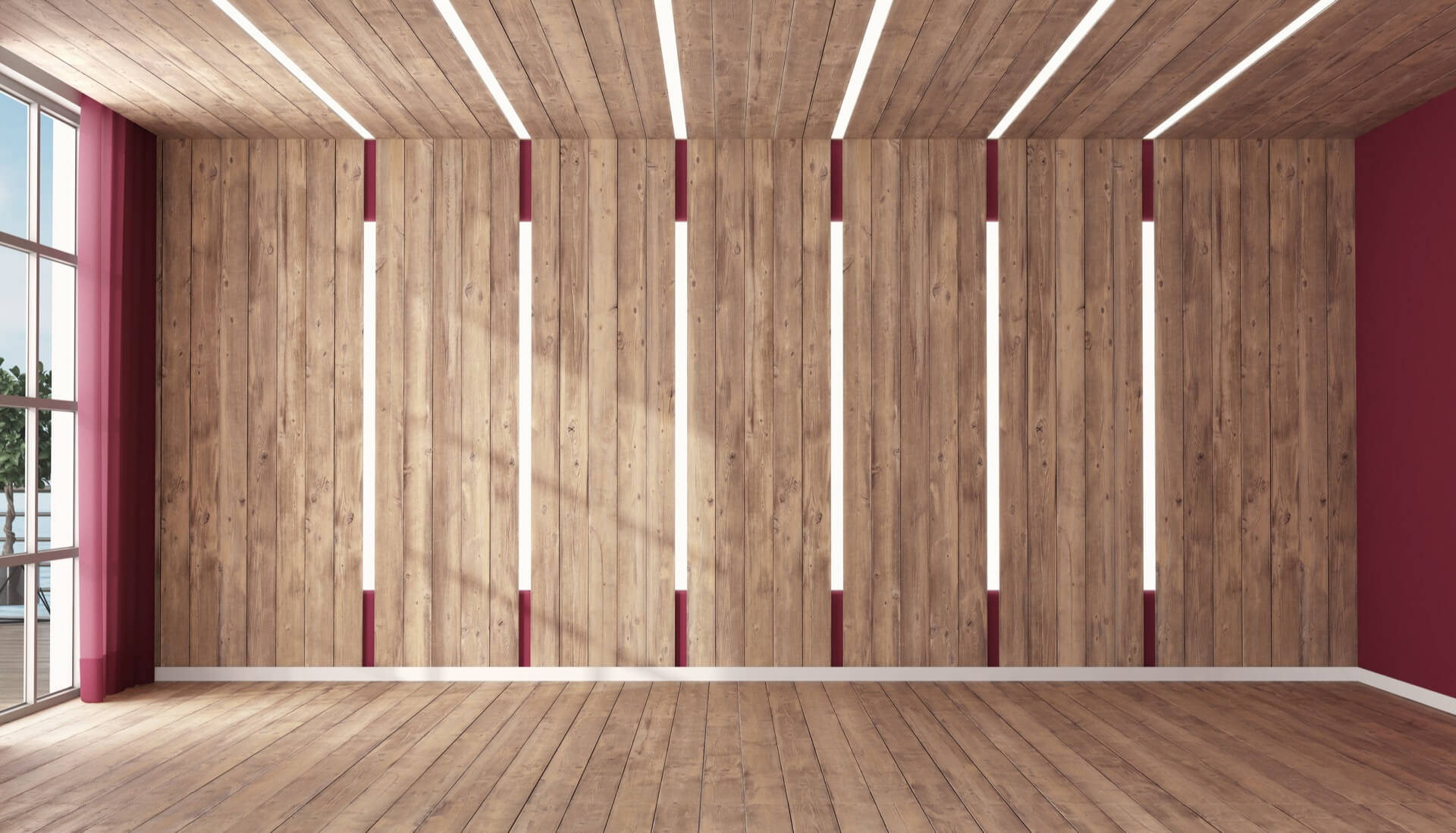
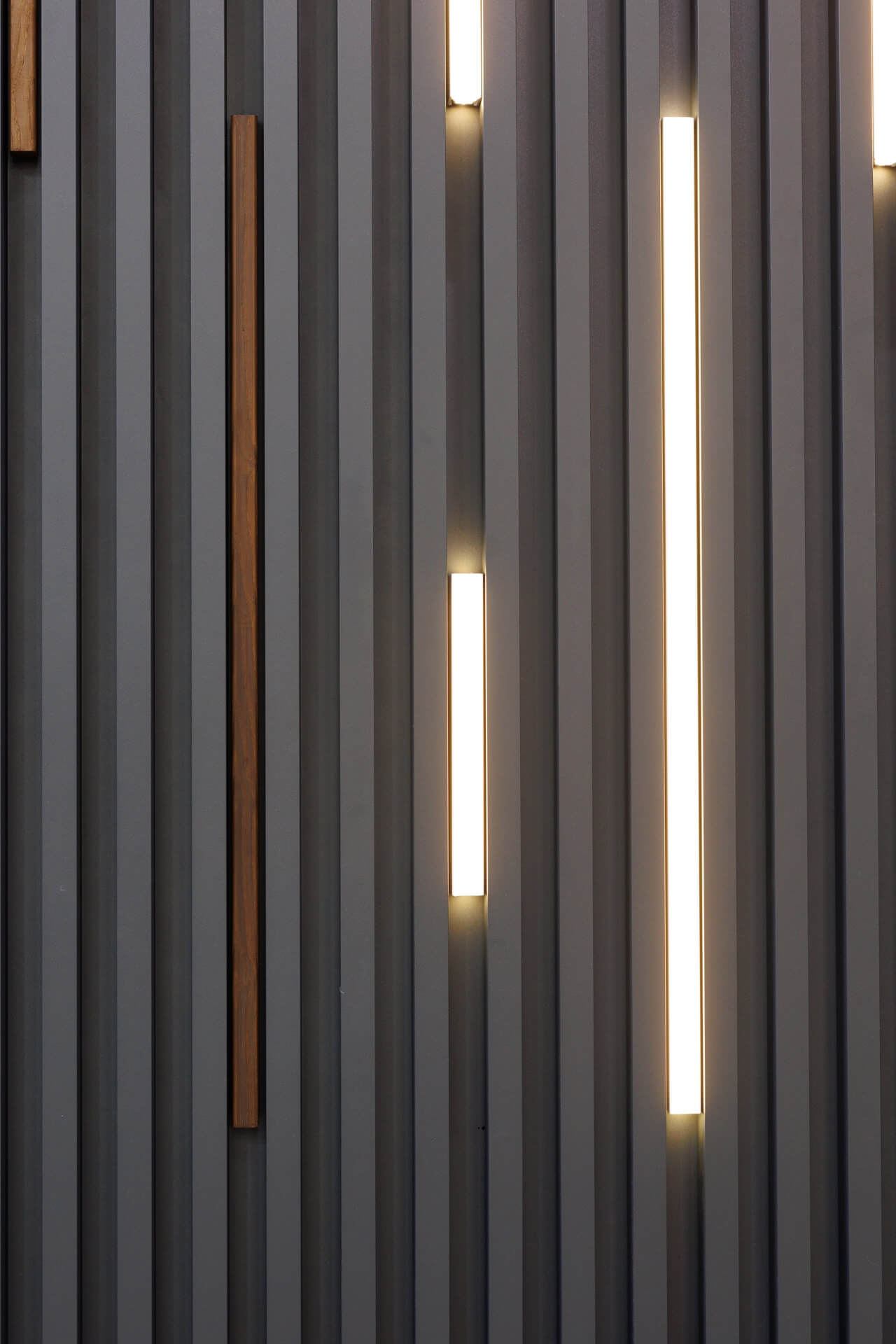
Diana Lighting's linear LED systems are the core of our architectural product range. Manufactured in any length, shape, and angle, these fixtures are designed for ceiling recesses, cove profiles, wall grazing applications, and surface-mounted architectural details. Every linear fixture is built from fine, durable materials with a clean, minimalist profile that integrates into the architecture without competing with it. Colour temperature, lumen output, and dimming compatibility are all specified to the requirements of the project.
Surface and Recessed Mount Options
Diana Lighting linear systems are available in both surface-mounted and recessed configurations, specified to the mounting conditions of each architectural detail. Surface-mounted profiles suit exposed ceiling structures and industrial aesthetic applications. Recessed profiles integrate flush with ceiling and wall planes for a clean, uninterrupted finish. Mounting configuration, fixture depth, and trim options are all determined during the consultation and specification process.
The Consultation and Collaboration Process
Coordinating with Millwork Fabricators and Contractors
Architectural lighting integration fails most often not because of the fixture itself but because of poor coordination between the lighting manufacturer, the millwork fabricator, and the electrical contractor. Cabinet openings that are the wrong depth. Ceiling recesses that do not account for driver clearance. Wiring routes that conflict with structural elements. Diana Lighting coordinates directly with millwork fabricators and contractors throughout the construction process. We provide dimensional drawings, installation documentation, and direct technical support to every trade involved in the lighting installation. What gets installed on site matches what was designed on paper, without the adjustments and workarounds that poorly coordinated projects require.
Tailored Solutions for Complex Projects
Some architectural projects have conditions that no standard product can address. A heritage building with non-standard ceiling profiles. A staircase with a structural constraint that affects trim options. A cove detail with a radius that requires a custom linear profile. Diana Lighting's custom manufacturing capability exists specifically for these situations. We assess the conditions, design the fixture around them, and manufacture to the exact requirements of the space. Complex does not mean impossible. It means the specification needs a manufacturer who can execute it.
Building Long-Term Manufacturing Partnerships
Architects who work with Diana Lighting once tend to come back. Not because of a loyalty program or a sales relationship but because having a manufacturing partner who engages at the drawing stage, delivers consistent colour temperature across a project, and coordinates with trades on site is not easy to find. We are not a supplier you place an order with. We are a manufacturer you build a working relationship with. That relationship improves with every project as we develop a deeper understanding of how you design and what your clients expect.
FAQs for Architectural Lighting
What is architectural lighting?
Architectural lighting refers to lighting that is designed and integrated as a functional element of the building itself, rather than applied to it as a decorative afterthought. It includes recessed linear systems, cove lighting, stair lighting, under-cabinet lighting, and wall-integrated fixtures. The defining characteristic of architectural lighting is that the fixture is secondary to the effect. The light defines the space. The fixture disappears into it. Diana Lighting specialises in custom architectural LED lighting manufactured to the exact dimensional and performance requirements of each project.
What is the difference between architectural lighting and decorative lighting?
Architectural lighting is defined by its function within the building, not its appearance. It delivers defined lumen output, controlled colour temperature, and precise beam distribution to serve the functional and spatial requirements of the design. Decorative lighting is specified for visual presence. The fixture itself is the design statement. In practice, a well-designed architectural lighting scheme carries the functional load of the space, allowing decorative fixtures to serve as focal points without being relied upon for illumination. Diana Lighting focuses on the architectural layer, manufacturing custom LED systems that perform precisely so that the decorative layer can do its job.
What are the four types of lighting in architectural design?
Architectural lighting design is organised around four functional categories. Ambient lighting provides the base level of general illumination across a space. Task lighting delivers focused, high-output illumination to specific work surfaces or functional areas. Accent lighting directs attention to architectural features, wall finishes, artwork, or spatial details. Decorative lighting contributes to the visual character of the space through the fixture itself. A well-specified architectural lighting scheme uses all four in deliberate proportion to each other, with each layer serving a defined purpose.
What is architectural downlighting?
Architectural downlighting refers to recessed ceiling fixtures that direct light downward into the space below. In architectural applications, downlights are specified for their beam angle, lumen output, colour rendering index, and glare control rather than their appearance. A well-specified downlight is virtually invisible in the ceiling plane. It is the pool of light it produces, not the fixture, that contributes to the architectural experience of the space.
What is the 5'7" lighting rule?
The 5'7" rule is a guideline used in architectural lighting design for the placement of wall-mounted fixtures. It states that the centre of a wall sconce or similar fixture should be positioned at approximately 5 feet 7 inches from the finished floor, which corresponds to average eye level. The purpose is to position the light source at a height that provides effective illumination without creating direct glare in the line of sight. Like all lighting guidelines, it is a starting point, not a fixed rule. Ceiling height, room proportion, and the specific function of the fixture all influence final placement.
What is architectural lighting design?
Architectural lighting design is the discipline of specifying and integrating lighting systems into a building as a fundamental component of the architecture. It involves lumen calculations, colour temperature selection, glare analysis, dimming system specification, fixture placement, and coordination with structural, mechanical, and electrical systems. Architectural lighting design is distinct from interior decorating with light. It requires technical knowledge of photometry, electrical systems, and building construction, and it directly affects the safety, functionality, and spatial experience of every occupant of the building.
What does an architectural lighting designer do?
An architectural lighting designer is responsible for the full lighting specification of a building, collaborating with the project architect, interior designer, and engineering team throughout design and construction. They define the lighting zones, specify fixture types and performance criteria, produce lighting layout drawings, calculate illuminance levels, and coordinate with electrical engineers on controls and dimming integration. On projects where a dedicated lighting designer is not engaged, the architect carries this responsibility. Diana Lighting supports both architects and lighting designers during the specification process, providing technical input, dimensional drawings, and manufacturing capability for custom fixtures that standard product lines cannot supply.
Where does architectural lighting work best?
Architectural lighting performs most effectively in spaces where the design intent depends on precise control of light distribution, colour temperature, and glare. Commercial interiors, hospitality venues, high-end residential projects, healthcare facilities, art galleries, and institutional buildings all benefit significantly from specification-grade architectural lighting. In each of these environments, the difference between a fixture that was specified correctly and one that was selected generically is immediately visible in the quality and character of the space.
Ready to Specify with a Canadian Architectural Lighting Manufacturer?
Architects who work with Diana Lighting get more than a product. They get a manufacturing partner who reads drawings, understands construction constraints, coordinates with trades, and delivers custom LED fixtures that perform exactly as specified.
If you are working on a project that requires architectural LED lighting built to your specification, let us talk before design development is locked.