LED lighting has revolutionized the way we illuminate our homes and businesses, promising exceptional energy efficiency and an impressively long lifespan. But how long do LED bulbs really last, and what factors influence their longevity? This guide delves into the truth about LED lifespan, separating fact from fiction and providing practical insights to help you maximize the lifespan of your LED light bulb investments. We'll explore the key concepts behind LED lifespan ratings, address common misconceptions, and offer actionable tips to ensure your LEDs provide years of reliable, high-quality light output.
Understanding LED Lifespan
What LED Lifespan Actually Means
Usable Light Output vs. Sudden Burnout
Why LEDs Behave Differently Than Traditional Bulbs
Understanding LED lifespan requires a shift in perspective from traditional light sources like incandescent bulbs or halogen lamps. With incandescent bulbs, failure is typically abrupt - the filament burns out, and the light bulb ceases to function immediately. LEDs, however, behave differently. The lifespan of an LED bulb is not defined by a sudden, catastrophic failure. Instead, it is based on lumen depreciation, the gradual decline in light output over time. This is because LED chips do not "burn out" in the same way traditional bulbs do; instead, they slowly degrade, and the diode's brightness decreases over time.
What Does L70 Mean?
Lumen Depreciation Explained
Why LEDs Dim Instead of Burning Out
When an LED Reaches End of Usable Life
The term L70 is critical in understanding LED lifespan. L70 refers to the point at which an LED's light output has decreased to 70% of its initial light output. This is widely considered the end of the LED's usable lifespan. Even after reaching L70, the LED may still produce light, but the reduced light output may no longer be sufficient for its intended purpose. The truth about LED lifespan is that it's a measure of how long it takes for the light output to dim to 70% of its initial value, rather than when it completely fails. It's important to realize the lifespan of your LED is significantly affected if it is allowed to overheat, or if the quality of the fixture and driver are poor.
Hour-Based Ratings Explained
25,000 vs. 50,000 Hour Claims
Translating Hours into Real Years
Residential vs. Commercial Usage Scenarios
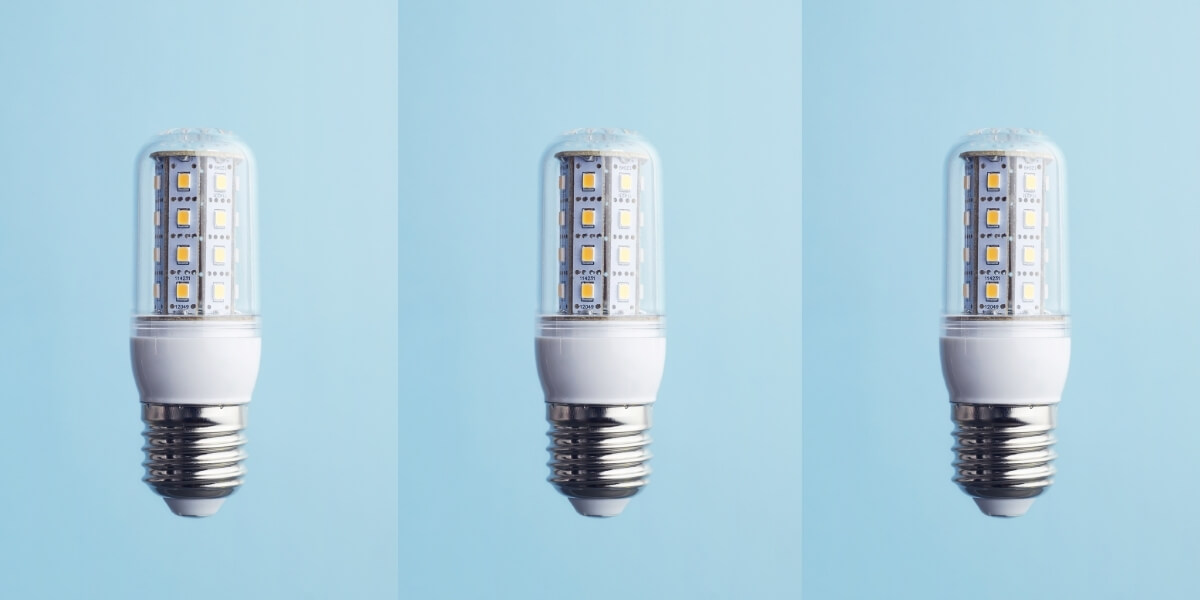
LED lifespan is commonly expressed in hours, such as 25,000 or 50,000 hours. These ratings provide an estimate of how long the LED lighting will maintain acceptable light output. A 25,000-hour rating means the LED light bulb is expected to reach its L70 point after 25,000 hours of operation. The truth about LED lifespan is that these ratings are derived from laboratory testing under ideal conditions. In real-world scenarios, the lifespan of an LED can vary. A 50,000-hour rated LED lamp, used 8 hours a day, might last over 17 years. These numbers are estimates, but understanding these ratings helps gauge the potential longevity of your LED investments.
Translating hour-based ratings into real years requires considering usage patterns. A residential setting with average daily usage will see longer lifespans compared to commercial environments where lights operate continuously. An LED light bulb rated for 30,000 hours, used for 6 hours daily in a home, could theoretically last over 13 years before its light output diminishes significantly. However, in a commercial setting with 24/7 operation, that same LED's lifespan would be considerably shorter. The difference in usage between residential and commercial impacts the overall lifespan of your LED.
Factors That Influence LED Longevity
Heat Management and Operating Temperature
The Role of Drivers and Power Supply Stability
Fixture Design and Environmental Conditions
LED Quality and Manufacturing Standards
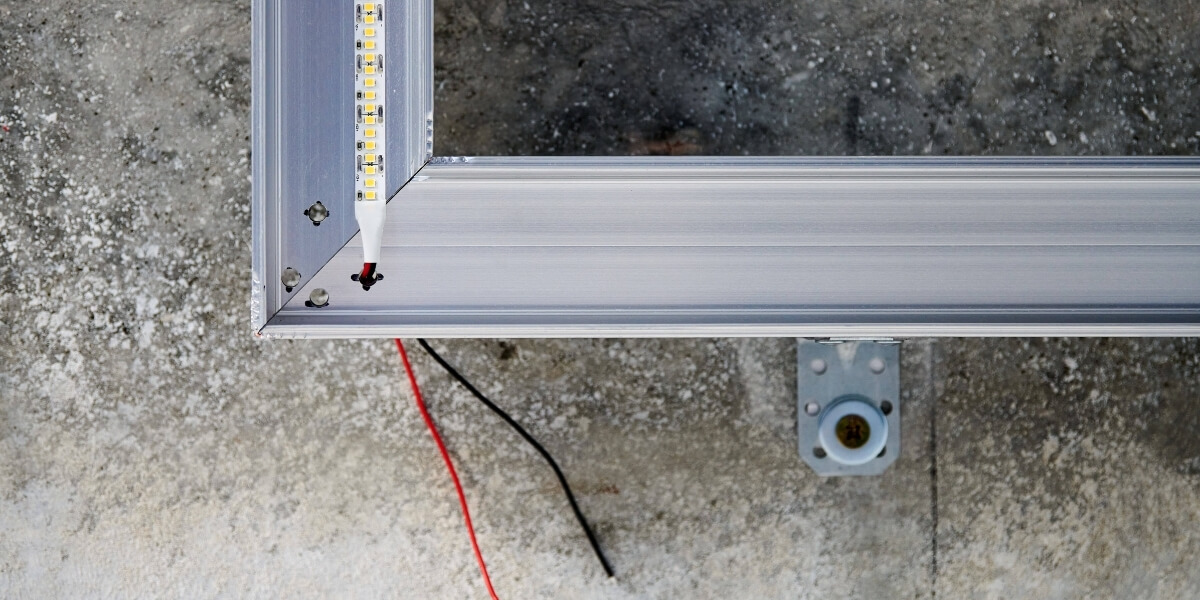
Heat is a primary factor affecting LED lifespan. LEDs generate heat, and if this heat is not properly dissipated, it can accelerate lumen depreciation and reduce the lifespan of your LED. Effective heat sinks and proper fixture design are essential to maintain optimal operating temperatures. Overheat can cause the LED to degrade faster than expected, diminishing the light output and reducing the lifespan. High-quality LED light bulbs incorporate thermal management features to mitigate heat-related degradation.
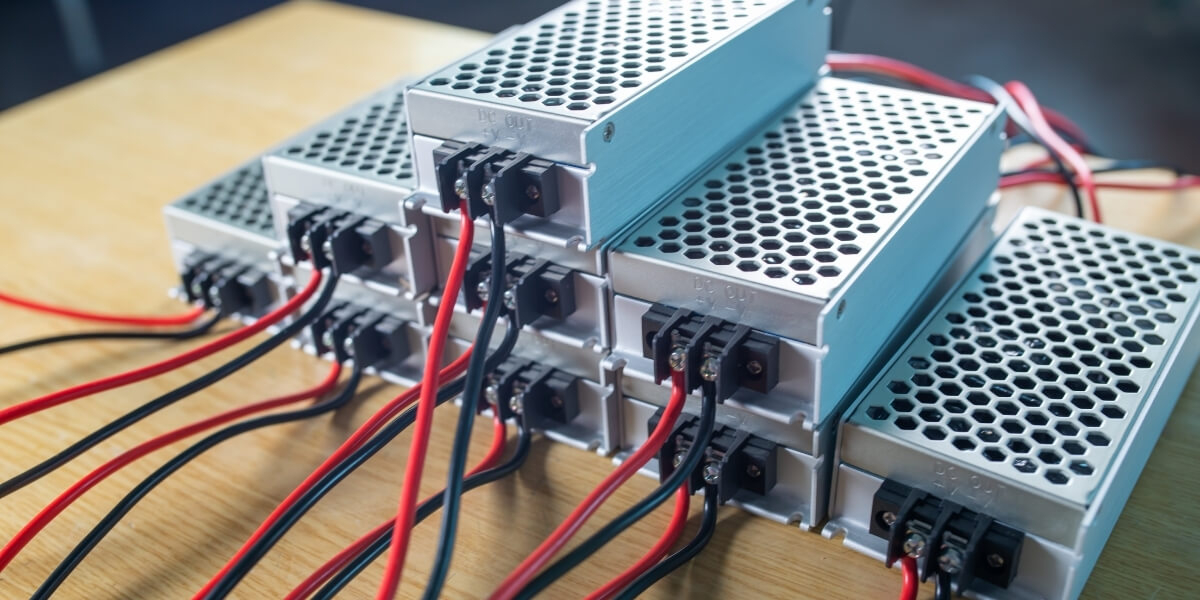
The driver, or power supply, plays a crucial role in the reliability and lifespan of a LED. A stable and well-designed driver ensures consistent current and voltage, protecting the LED chips from fluctuations that can damage the diode and reduce the lifespan. Poor quality drivers can introduce electrical noise and instability, leading to premature failure. Integrated LED fixtures must have compatible, quality drivers to ensure stable performance. Investing in LEDs with reliable drivers is vital for maximizing lifespan and maintaining light output.
Fixture design and environmental conditions also influence lifespan. Enclosed fixtures can trap heat, exacerbating the thermal stress on LEDs. Adequate ventilation is necessary to dissipate heat and maintain optimal operating temperatures. Environmental factors such as humidity, dust, and vibration can also affect performance. High-quality fixtures designed with appropriate thermal management and protection against environmental factors contribute to longer LED lifespan. Selecting the right fixture for the application is key to unlocking the full potential lifespan of your LED.
The quality of LEDs and manufacturing standards significantly impact their longevity. High-quality LEDs from reputable manufacturers undergo rigorous testing to ensure consistent performance and reliability. Manufacturing defects, substandard materials, or poor assembly can all reduce the lifespan of an LED bulb. It's always wise to choose LED lighting from trusted brands known for their commitment to quality. High-quality LED bulb life will last longer. These standards affect the overall lifespan of an LED.
Common Myths About LED Lifespan
"LEDs Last 20 Years" - What That Really Means
Do LEDs Burn Out or Just Get Dimmer?
Why Some LEDs Fail Early
One of the most prevalent myths is that all LEDs last 20 years. This is often a misinterpretation of lifespan ratings. While LEDs can have impressive hour ratings, these are estimates based on specific conditions. In reality, the truth about LED lifespan is that many factors affect it, and not all LEDs will achieve such extended longevity. The lifespan of your LED can be influenced by heat, usage patterns, and other environmental factors, which can cause the diode to degrade faster than expected.
Another common misconception is whether LEDs burn out like incandescent bulbs or simply dim. LEDs don't experience the sudden filament failure of incandescent bulbs. Instead, they gradually dim over time as a result of lumen depreciation. The lifespan of an LED is typically defined by its L70 rating, the point at which the light output decreases to 70% of its initial value. While the LED may still produce light beyond this point, the reduced brightness may not be sufficient for its intended purpose.
Some LEDs fail prematurely due to various factors, including poor quality components, inadequate thermal management, or unstable drivers. Low-quality LEDs may not meet the advertised lifespan ratings. Overheat will drastically reduce the lifespan of your LED. Manufacturing defects or improper installation can also contribute to early failures. Choosing high-quality LEDs from reputable manufacturers and ensuring proper installation are crucial to avoid premature failures and maximize lifespan. Proper LED lighting will provide you with a well lit environment.
Integrated LED vs. Replaceable LED Bulbs
Lifespan Expectations for Integrated LEDs
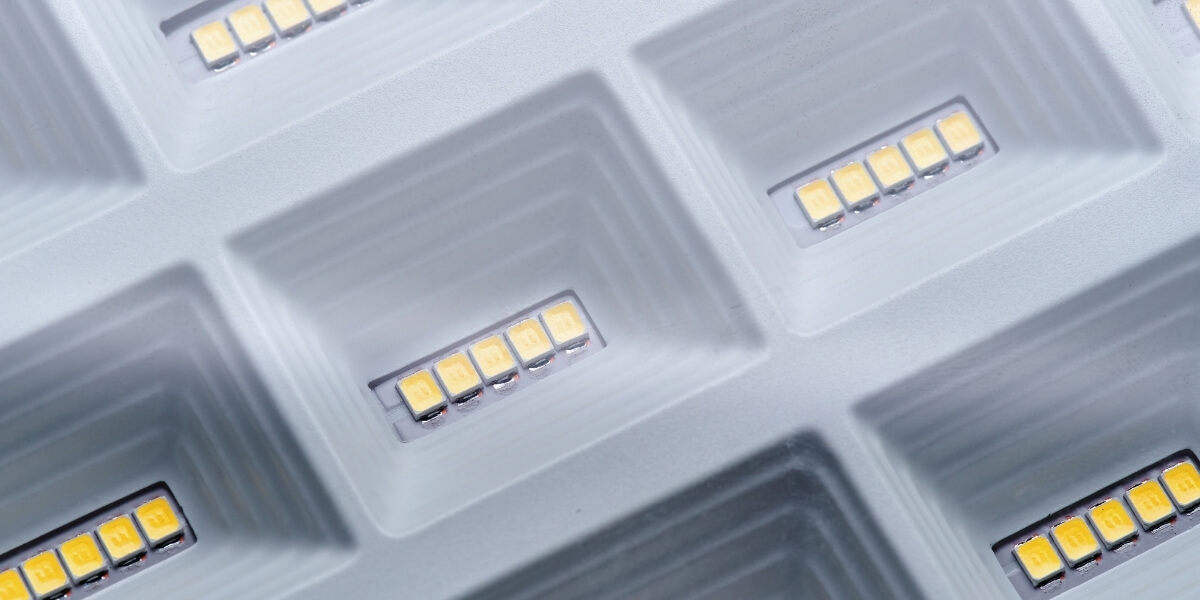
Integrated LEDs, where the LED chips are built into a fixture, present unique lifespan considerations compared to replaceable LED light bulbs. With integrated LED fixtures, the entire fixture may need replacement if the LED reaches its end of usable life. Therefore, understanding LED lifespan becomes even more critical. The lifespan of an LED in an integrated fixture should align with the expected lifespan of the entire fixture. Factors like thermal management, driver quality, and overall fixture design play a significant role in determining the longevity of integrated LED lighting.
Have questions about LED lighting?
Diana Lighting designs and manufactures high-quality custom LED lighting products for residential, commercial, and architectural applications.
Contact Us Today