Navigating the world of LED lighting can be overwhelming, especially when it comes to understanding light color temperature. This guide simplifies the Kelvin scale and helps you choose the perfect light color temperature for your space, ensuring optimal ambiance and functionality. We will explore the differences between 3000K and 4000K, empowering you to make informed decisions about your lighting needs.
What is Color Temperature?
Defining Color Temperature and Kelvin
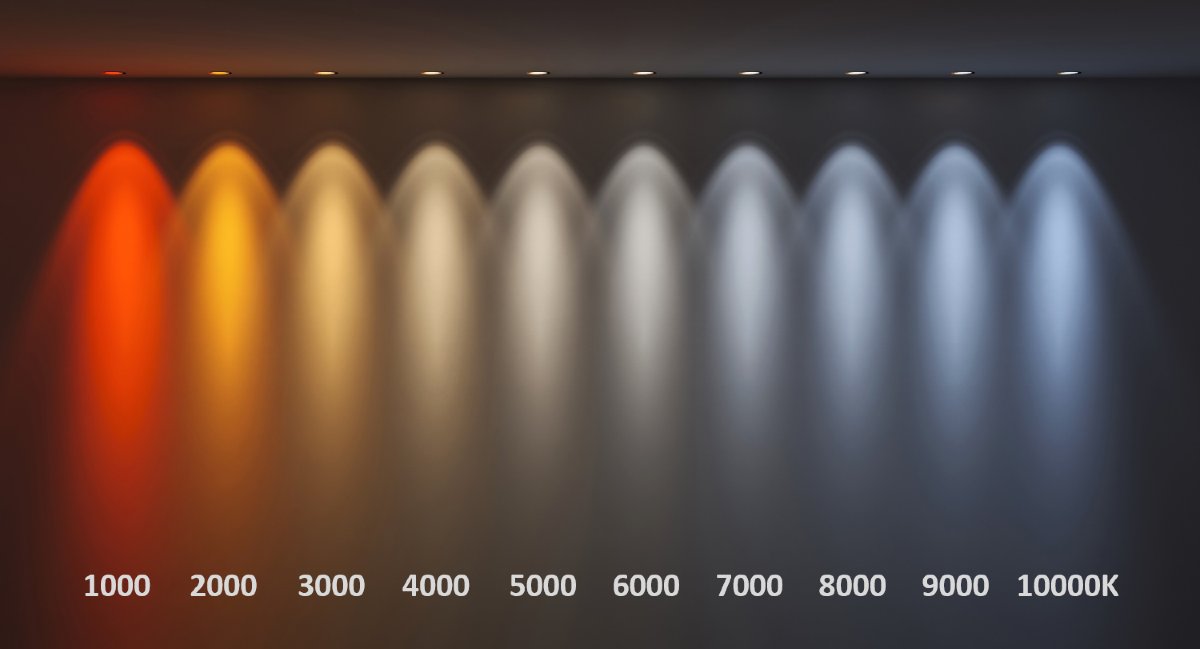
Color temperature describes the color of the light emitted by a light source. Measured in Kelvins (K), this metric indicates whether a light appears warm (yellowish) or cool (bluish). Lower Kelvin temperatures, like 2700K or 3000K, produce a warmer light, reminiscent of incandescent bulbs, while higher Kelvin temperatures, such as 4000K or 5000K, yield a cooler, daylight-like white light. Understanding Kelvin is crucial in lighting design.
The Kelvin Scale Explained
The Kelvin scale is a spectrum that correlates temperature with the perceived color of light. Ranging from approximately 2000K to 6500K and beyond, it helps us quantify the color temperature of a light. Lower values (2000K-3000K) represent warmer colors, producing a cozy atmosphere with a yellowish tint, ideal for relaxation. Higher values (4000K-6500K) create a cooler, more energetic environment, resembling natural light or daylight.
Importance of Correlated Color Temperature
Correlated Color Temperature (CCT) is a crucial concept when selecting LED light bulbs and light fixtures. CCT specifies the perceived color temperature of a light source, allowing for consistent lighting design. The CCT is important because it influences how we perceive a space. A warmer light is often preferred in living rooms and bedrooms, while cooler color temperatures may be better suited for offices or kitchens. Choosing the right CCT enhances visual comfort.
Understanding LED Light Color Temperature
Overview of 3000K and 4000K
When selecting LED lighting, understanding the difference between 3000K and 4000K is crucial. These figures represent the color temperature on the Kelvin scale. A 3000K LED light emits a warmer, more yellowish light, akin to incandescent bulbs, ideal for creating a cozy atmosphere. In contrast, a 4000K LED emits a neutral white light, closely resembling daylight, making it suitable for task lighting.
Warm White vs. Cool White Lighting
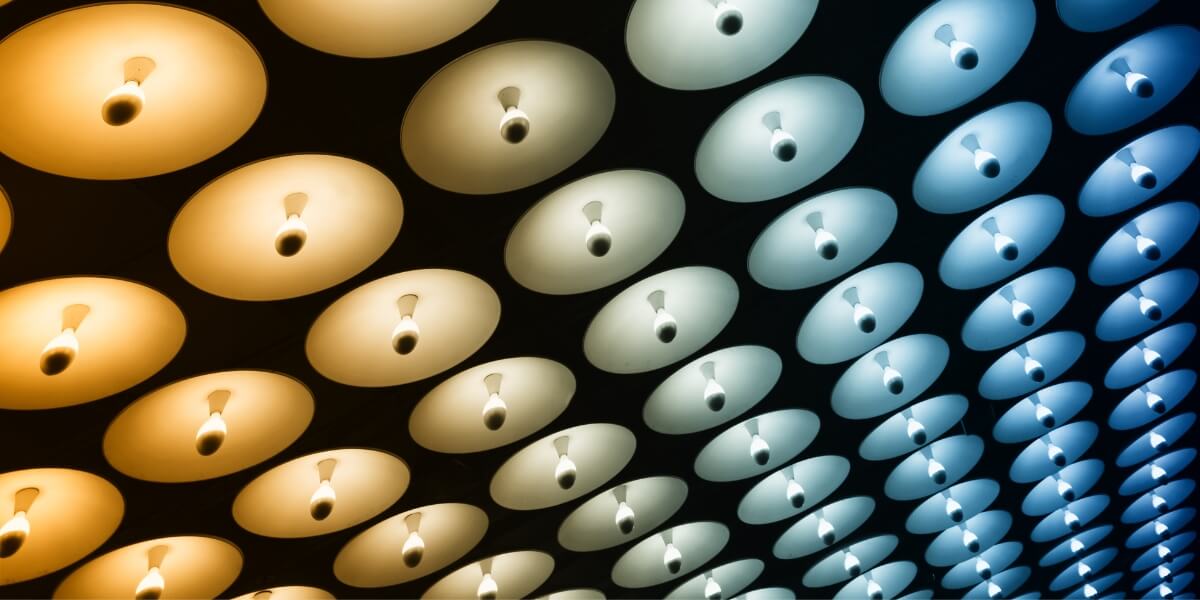
Warm white lighting, typically around 2700K to 3000K, casts a soft, inviting glow, perfect for relaxation and comfort. This light color temperature creates a pleasant and cozy atmosphere. Cool white lighting, usually between 4000K and 5000K, provides a brighter, more energizing light, similar to natural light. The choice between warm white and cool white significantly impacts the ambiance of a space.
Comparison: 3000K vs. 4000K
The key difference between 3000K and 4000K lies in the color of the light emitted. 3000K LEDs provide a warm, inviting glow with a slight yellowish tint, enhancing feelings of relaxation. 4000K LEDs offer a cleaner, more neutral white light, promoting focus and productivity. Deciding between 3000K and 4000K Kelvin temperature will determine the temperature of your room.
Choosing the Right Color Temperature for Each Room
Living Room Lighting Recommendations
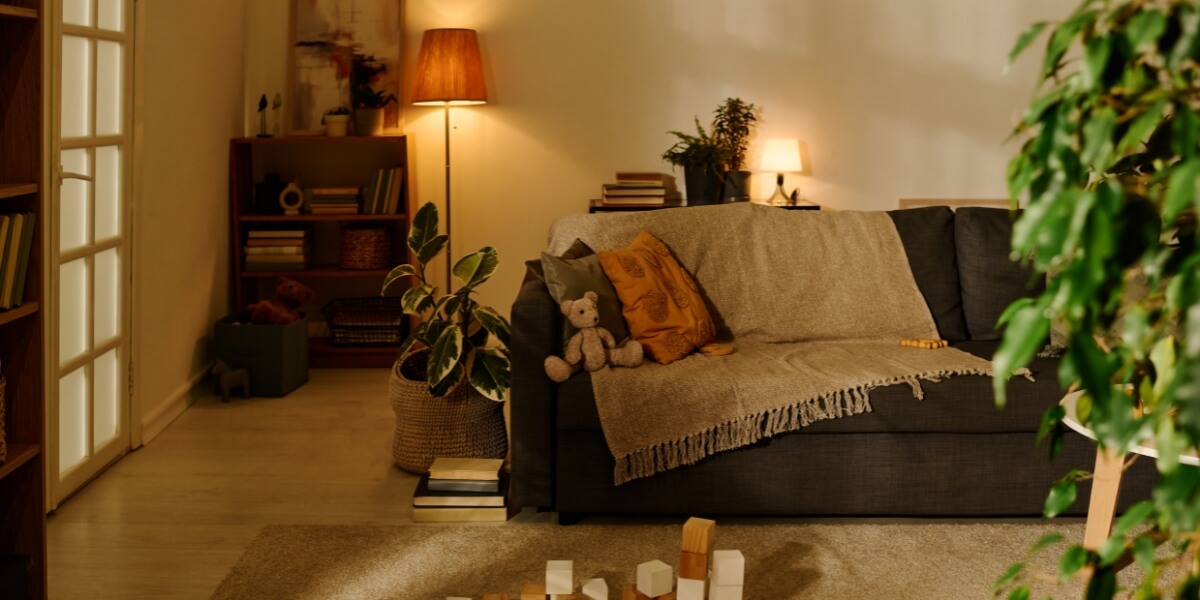
For living rooms, a warmer color temperature, such as 3000K, is generally recommended to create a cozy atmosphere. This warm white light enhances relaxation and makes the space feel more inviting. Consider using dimmable LED light fixtures to adjust the light temperature and brightness according to your needs. Understanding Kelvin is crucial here.
Kitchen and Dining Areas: Optimal Choices
In kitchens and dining areas, a balance between functionality and ambiance is essential. 4000K LEDs, offering a neutral white light, are often preferred in kitchens for better visibility during food preparation. In dining areas, you might opt for a slightly warmer light temperature, like 3000K, to create a pleasant dining experience. Also remember that 5000K LEDs are a good choice for some kitchens.
Bedroom Lighting: Creating the Right Mood
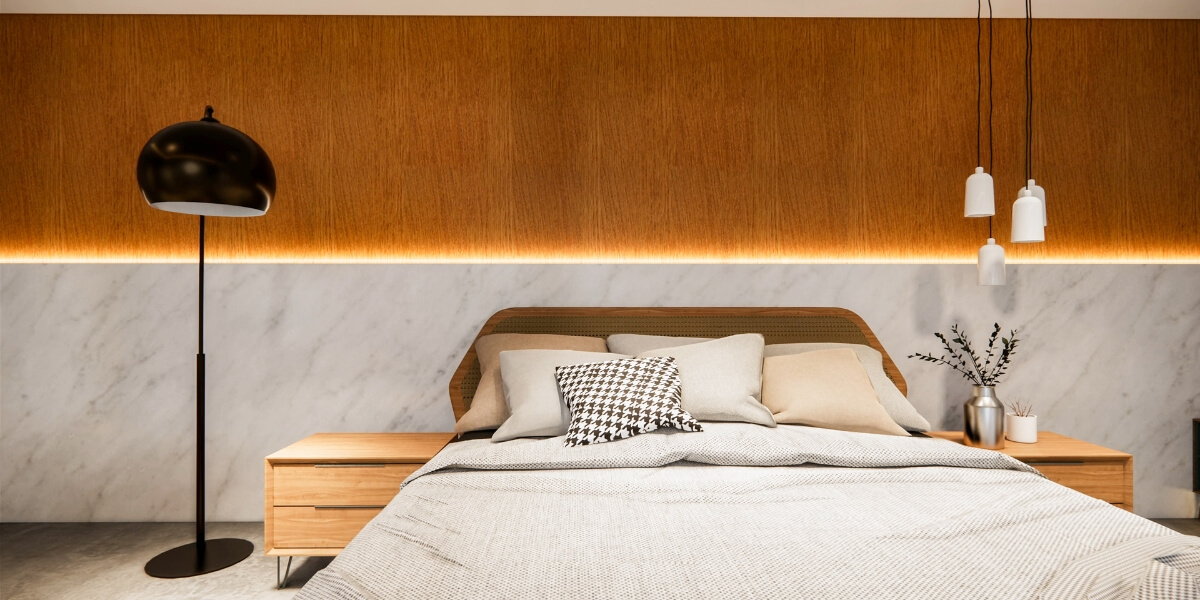
Bedrooms should be sanctuaries of relaxation, making warmer light temperatures ideal. 2700K to 3000K LEDs emit a soft, warm white light, promoting calmness and preparing the body for sleep. Avoid cooler color temperatures, like 4000K or higher, as they can be too stimulating. Think about the perfect cozy atmosphere you want to create.
Common Mistakes to Avoid
Misunderstanding Color Rendering Index
One common pitfall is overlooking the Color Rendering Index (CRI) when selecting LED light bulbs. While color temperature dictates the warmth or coolness of the light, CRI measures how accurately a light source renders colors compared to natural light. Aim for a CRI of 80 or higher to ensure that objects appear vibrant and true to life under your lighting fixtures. A higher CRI enhances the visual appeal of your space.
Choosing the Wrong Kelvin for Your Space
Selecting an inappropriate Kelvin temperature for a room can negatively impact its ambiance and functionality. Using cooler color temperatures like 5000K in a bedroom can disrupt sleep patterns, while using warmer color temperatures like 2700K in a workspace may lead to drowsiness. Carefully consider the intended use of each room and choose a light color temperature that aligns with its purpose to help you create the perfect cozy atmosphere. Don't choose the wrong Kelvin temperature.
Ignoring Room Functionality
Failing to account for the specific activities that occur in a room is a common mistake. Kitchens, for instance, benefit from cooler color temperatures like 4000K to provide ample visibility for tasks such as cooking and cleaning. Living rooms, on the other hand, thrive with warmer 3000K lighting to create a cozy atmosphere. Understanding LED lighting and tailoring your choices to the room's function is crucial.
Expert Lighting Design Tips
Layering Light for Visual Comfort
Effective lighting design involves layering different types of light to achieve both functionality and visual comfort. Combine ambient lighting (general illumination), task lighting (focused light for specific activities), and accent lighting (decorative light to highlight features) to create a well-balanced and inviting space. This approach ensures that you have adequate illumination for all activities while avoiding harsh glares. Customize your experience with layering.
Using Dimmers for Flexibility
Incorporating dimmers into your lighting design provides unparalleled flexibility and control over the ambiance of your space. Dimmers allow you to adjust the intensity of your LED light bulbs, creating different moods for various occasions. Consider using dimmable lighting fixtures for added convenience and modern design. It is important to have the best LED light with the most flexibility.
Testing Lighting Options Before Committing
Before making a final decision, it's always wise to test different lighting options in your space. Purchase a few different LED light bulbs with varying color temperatures and try them out in different rooms. Observe how the light interacts with your walls, furniture, and decor at different times of the day. This hands-on approach will help you make informed choices that suit your unique preferences and needs and determine the temperature of your room.
Have questions about LED lighting?
Diana Lighting designs and manufactures high-quality custom LED lighting products for residential, commercial, and architectural applications.
Contact Us Today